Physical Address
304 North Cardinal St.
Dorchester Center, MA 02124
Physical Address
304 North Cardinal St.
Dorchester Center, MA 02124

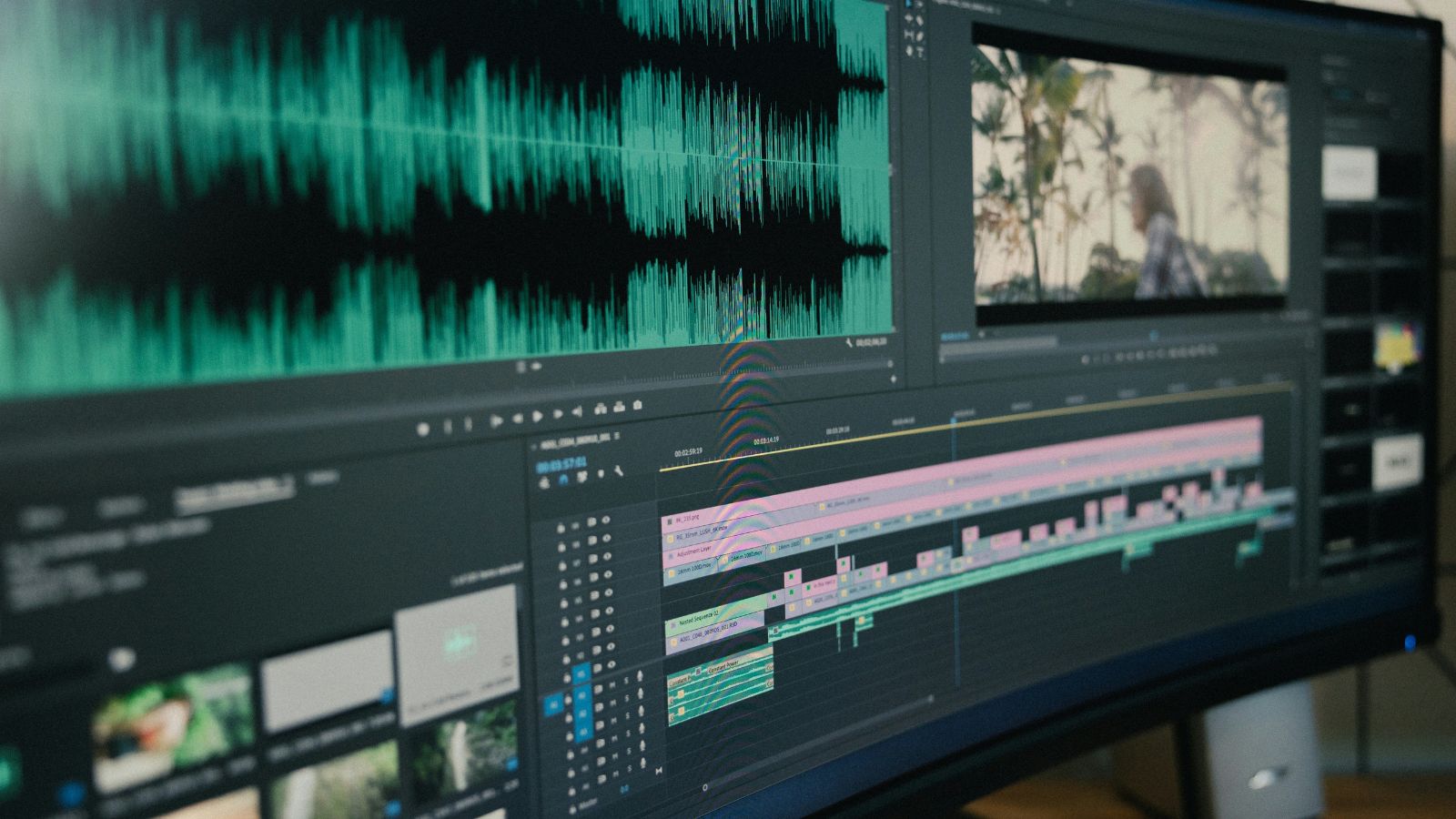
Film editing is often described as a visual craft, yet movement on screen rarely feels complete without sound that supports the motion, because transitions, camera moves, and animated elements gain clarity and direction when sound reinforces what the viewer sees, turning simple cuts into smooth sequences and static edits into scenes that feel connected and intentional.
Editors quickly learn that motion in a timeline is not only about cutting clips together, since every transition, title animation, and scene change benefits from sound that guides the viewer through the edit, which is why motion based sound design has become a standard part of modern editing workflows across film, trailers, YouTube content, and commercial video production.
Movement in editing appears in many forms such as cuts, fades, swipes, zooms, and object movement across the frame, and each of these actions represents motion that can be reinforced with sound, so the viewer not only sees the movement but also feels it through audio that follows the same direction and timing.
When editors work with whooshes sound effects, they are essentially adding movement to the timeline through audio, because a well placed whoosh can push a transition forward, support a camera pan, emphasize a title reveal, or connect two scenes in a way that makes the edit feel intentional instead of abrupt, which is why these sounds appear in almost every type of visual production.
Sound that supports motion helps the brain understand visual changes more easily, since transitions become smoother and scene changes feel more natural when the sound bridges the visual gap between two shots, which is why editors often place subtle motion sounds even in simple cuts where the audience may not consciously notice the sound but still perceives the edit as smoother.
Another important role of motion sound is timing, because a whoosh that starts slightly before a transition and ends exactly on the cut can guide the viewer’s attention to the new scene, which makes edits feel more controlled and more professional without requiring complex visual effects.
Scene transitions are one of the most common places where motion sound is used, since moving from one shot to another often feels too sharp without audio support, and a short whoosh can connect the two shots so the transition feels like a deliberate movement instead of a sudden jump.
Title animations also rely heavily on motion sound, because text appearing on screen gains weight and presence when a soft or sharp whoosh follows the movement of the letters, which makes even simple titles feel more cinematic and more intentional in the overall edit.
Camera movement such as pans, zooms, and fast object movement also benefit from motion sound, since adding sound that follows the direction of the movement helps the viewer track the motion more easily and makes the scene feel more dynamic without changing the visuals themselves.

Professional editors rarely use only one motion sound for important transitions, since layering multiple sounds such as a soft whoosh, a deeper whoosh, and a subtle impact can create a more complex and more cinematic result that gives transitions more presence without making them too loud or distracting.
Layering also allows editors to control the character of a transition, because a soft high frequency whoosh can add speed while a lower layer adds weight, and combining both creates a transition that feels balanced and intentional rather than thin or overly aggressive.
Trailer editors often use this technique when building transitions between scenes, because combining motion sounds with impacts and low frequency hits can create strong transitions that support dramatic scene changes and help build momentum across the edit.
Different film genres use motion sound in different ways, since horror edits often use longer textured whooshes that create tension, while action trailers use sharp and aggressive motion sounds that emphasize speed and impact during fast cuts and transitions.
Science fiction edits often include synthetic motion sounds that feel electronic or mechanical, which works well for interface animations, futuristic transitions, and technology-based visuals where traditional motion sounds would not match the visual style.
Clean corporate edits and documentaries usually use very subtle motion sound, because transitions should feel smooth without drawing attention to the sound itself, and in these cases subtle whoosh effects can guide transitions without making the edit feel overly stylized.
Editors who work regularly with motion graphics and film editing often build a personal collection of transition sounds that they can reuse across projects, since having consistent motion sound helps maintain a recognizable editing style and speeds up the editing process.
A well-organized sound toolkit usually includes soft transition whooshes, fast swipe whooshes, deep cinematic whooshes, and layered transition sounds that combine motion and impact, because these categories cover most editing situations from simple YouTube edits to cinematic trailers.
Many editors prefer working with curated libraries instead of random sound collections, since curated libraries provide consistent sound quality and a wide range of motion sounds designed specifically for editing workflows, and companies such as Ocular provide collections focused on transitions, motion graphics, and cinematic editing where editors can find sounds that are ready to drop directly into the timeline.
Motion in film editing becomes clearer, smoother, and more engaging when sound supports visual movement, since transitions, camera moves, and title animations gain direction and energy through audio that follows the movement on screen, which is why motion sound design has become a standard part of modern editing workflows for filmmakers, editors, and content creators who want their edits to feel connected and intentional instead of simply cut together.
