Physical Address
304 North Cardinal St.
Dorchester Center, MA 02124
Physical Address
304 North Cardinal St.
Dorchester Center, MA 02124

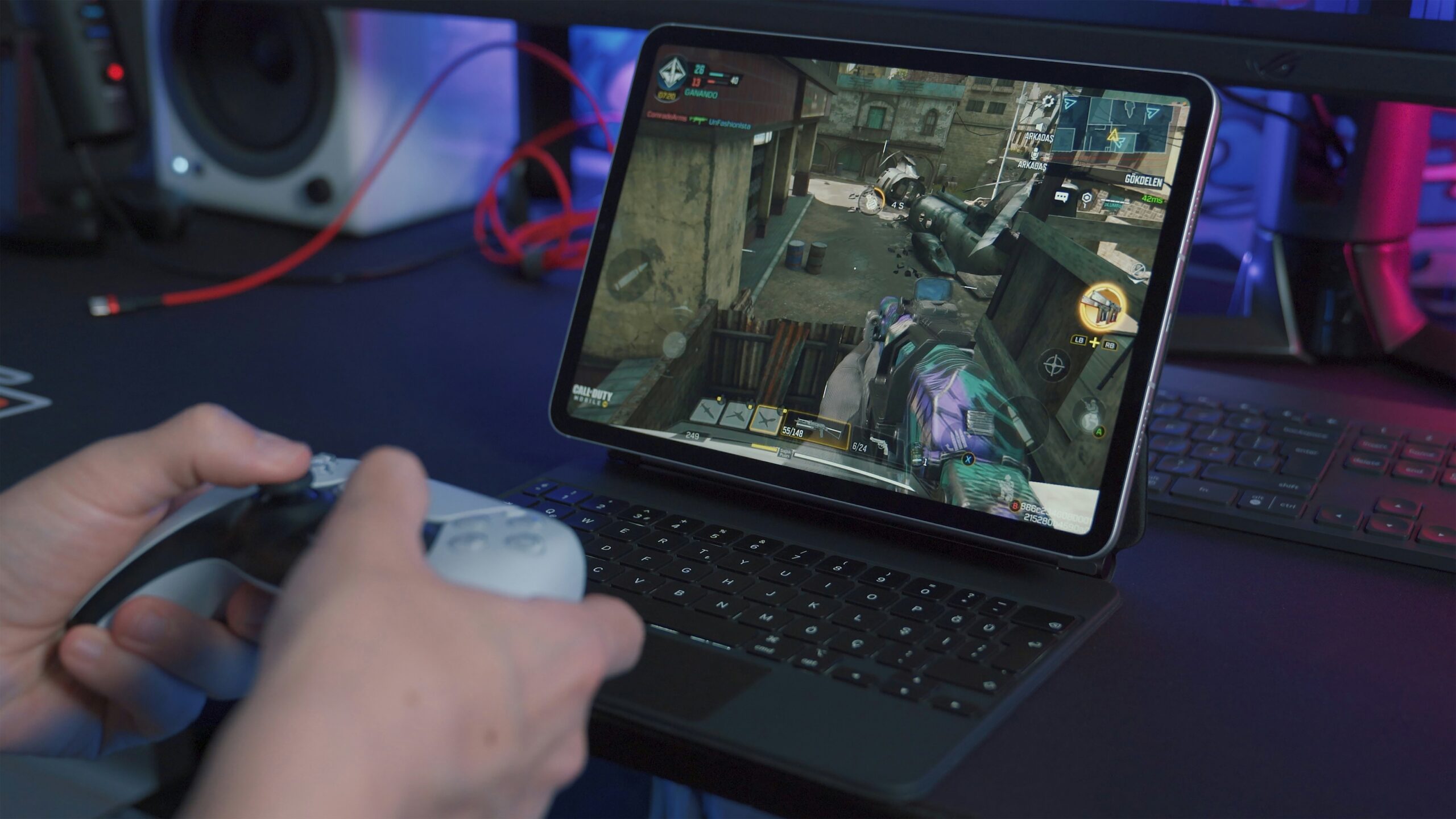
Research suggests that gaming is much more than an enjoyable pastime. The human brain is naturally hardwired to play games. Children’s games are much more than amusement, they are responding to their evolutionary need to constantly learn new skills. Games also trigger the release of dopamine, the feel good neurotransmitter that gives recipients a feeling of pleasure at mastering the challenges that are part of the gaming process.
Traditional analog games have been enjoyed for thousands of years. Gaming underwent a digital transformation that started in the early 1950s and 1960s when computer scientists and engineers began experimenting with interactive entertainment.
Considered as being the first video game, Tennis for Two was created in 1958 by physicist William Higginbottom. Atari founder Nolan Bushnell released the video game Space! in 1971. He then tasked one of his Atari engineers, Allan Alcorn, to create a video version of the Ping-Pong game, the result was Pong, the first commercially successful video game.
Over the next several decades video gaming went mainstream at video arcades and also home consoles. Technological restrictions meant that many of these early games were quite rudimentary, however there was a certain charm that enthralled gamers who could not get enough of the simple pixel structure, sound effects, and straight forward game mechanics.
It has been almost seventy years since Tennis for Two was created and technological advances mean that entertainment is now streamed directly to smartphones. A study in 2025 indicated that around eighty percent of the population play video games with sixty-three percent of them being casual gamers; individuals that play games purely because they are a relaxing and fun form of entertainment.
Digital games that feature straightforward themes and familiar visuals are appealing to gamers for several reasons:
Easy to learn: Games that feature simple rules which can be learned within a few minutes and feature simple themes that are cheerful and adventurous. These games are played in short bursts that last between three and five minutes on average.
Straightforward themes and visuals that are familiar such as simple shapes and easy to navigate intuitive interfaces create a quick distraction that reduces cognitive load thus enabling the brain to have a quick rest rather than grapple with complex scenarios and game mechanics.
Simple themed games offer easy accessibility to any level of gamer. They do not require a complex understanding or level of skill and can be enjoyed across all age groups which makes them perfect for debutant gamers such as children. They are an excellent way to pass the time. Most games are also optimised for mobile first use which means that they can be enjoyed on the go, during the commute to work, between meetings or projects, or during a lunch break.
These types of games are easy to learn, but difficult to master, as the difficulty level of play quickly increases. This dynamic makes them very engaging as it motivates players to try to make it to the next level or beat their best score. The addition of gamification elements offers rewards for missions accomplished as well as milestones and leaderboards to track a gamers progress.
There has been a resurgence of retro games and a whole new gaming sub culture has developed within the wider gaming community. It brings back nostalgic memories for those individuals who enjoyed these games in their early forms but has also created a new following in younger generations as these “retro games” incorporate simple themes and uncomplicated game mechanics.
These types of games offer a good entertainment value because they offer clarity and recognisable concepts such as easy to understand narratives and motifs that are easy to understand, offer a quick mental break, can help to reduce stress levels, or be emotionally comforting; all elements that appeal to audiences and create relaxing and immersive experiences.
Adventure games with themes that feature exploration, interactions with different characters, survival skills, uncovering secrets, and immersive narratives are popular in casual online games such as Stardew Valley, Book of Travels, and Minecraft.
Classic style arcade games are a fusion of retro style game mechanics that have been combined with fast paced modern day game mechanics and feature themes such as the 80’s and 90s, cyber punk and neon aesthetics, shooter themes, puzzles, sports and racing simulators and hybrid arcade slot games.
Fishing games are very popular because they are an alternative to games that have high intensity playback loops. They are relaxing and even offer gamers the chance to engage in meditation as they wait for the fish to bite. The relaxed fishing theme of the online slot game Big Bass Bonanza is immersive and exciting and includes cheerful fish, fishing rods, and a smiling fisherman that are set against a calming underwater backdrop. The music has ambient sounds that gives players the impression that they are swimming with the fish.
Simple themed games can be amazing and it is crucial to ensure that developers create a perfect blend of different vital elements that will create continued user engagement:
Sound design helps to enhance the narrative by adding tempo and harmony in different scenarios throughout the game. It creates an emotional connection within the gamer and alters how they respond to visual stimuli. Sound effects make audiences feel more immersed and connected with the gaming environment that they are experiencing.
Pacing plays an important role in the flow of the game and must be created to fit appropriately into the tempo of the game. Effective pacing will help to shape the emotional responses of the gamer and their level of immersion. Pacing also provides the gamer with challenges that are adapted to their evolving level of skill throughout the game which gives the player confidence and motivation as they progress to the next level.
Visual feedback through the use of colour, contrast, and motion, are cues that are embedded into the gaming environment that serve as instructions and also communicate important information in a quick and effective manner. They must be easy to recognise, understand, as well as convey vital information without cluttering the design of the game. These signals must be designed so that they easily catch the attention of the gamer and create the desired responses.
As society becomes even more fast paced, short gaming breaks that simple themed games offer will become even more appealing. Gaming is much more than just entertainment. It has become a new way to socialise online. The creation of online multiplayer games and interactive communities where gamers can collaborate, play together, and just hang out in the virtual gaming spaces has made it popular among Millenials, Gen Z, and even Generation Alpha.
Cloud based games almost eradicated the need for PC’s and expensive hardware as everything can be delivered directly to a mobile device and can even be enjoyed across different platforms so that a gamer can pick up in the game where they left off.
This also makes gaming possible for anyone with a smartphone which makes it easy for new can casual gamers to get in on the fun. Game designers have realised that games with simple themes will continue to appeal to audiences and have begun to implement AR, VR, and AI into their designs which promises to open up a whole new and unexplored gaming universe that is even more easily accessible to everyone.
